essential lists

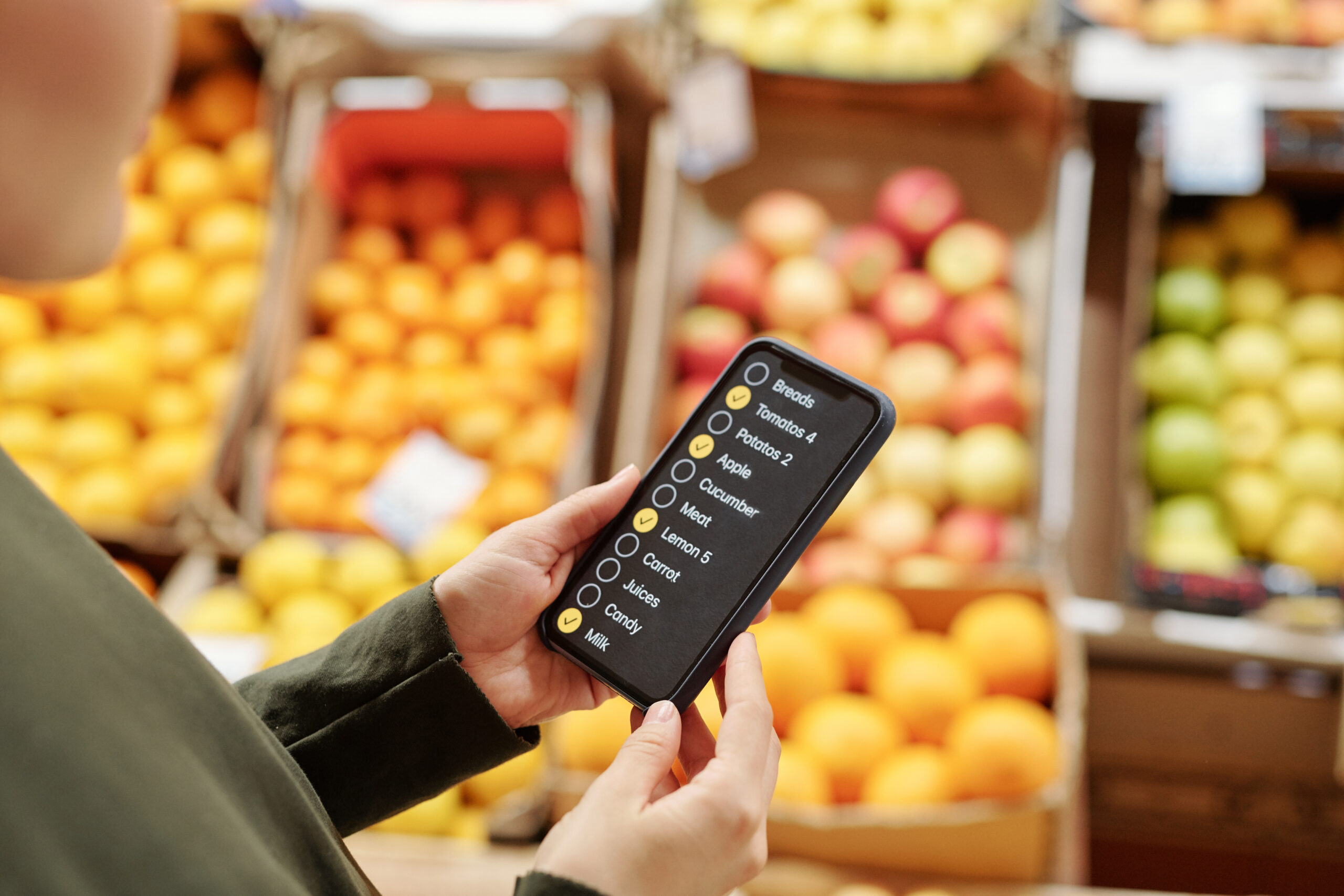
Keeping a grocery list promotes health-conscious and economical eating by facilitating meal planning, reducing food waste, avoiding impulsive purchases, and saving both time and money. It encourages you to make mindful choices that align with your dietary goals and budget, leading to improved well-being and financial sustainability.

Keeping a grocery list can be helpful for both health and economical eating for several reasons:

  1. Meal planning:
    A grocery list allows you to plan your meals in advance. By considering the meals you want to prepare for the week, you can make sure you have all the necessary ingredients on hand. This helps you avoid last-minute unhealthy food choices or relying on takeout or convenience foods.
  2. Healthy choices:
    With a grocery list, you can prioritize nutritious foods and avoid impulsive purchases of unhealthy items. By planning your meals and including a variety of fruits, vegetables, whole grains, lean proteins, and healthy snacks, you ensure that your grocery shopping supports a balanced and nutritious diet.
  3. Avoiding impulse purchases:
    A grocery list helps you stay focused while shopping and reduces the likelihood of buying unnecessary items. Impulse purchases often consist of processed snacks, sugary beverages, and other unhealthy options that can negatively impact your health. By sticking to your list, you can avoid these temptations and make healthier choices.
  4. Reducing food waste:
    Planning your meals and creating a list based on those plans can help minimize food waste. When you have a clear idea of what you need, you’re less likely to buy excessive amounts of perishable items that might spoil before you can consume them. This practice not only saves money but also reduces your environmental footprint.
  5. Cost-effective shopping:
    A well-structured grocery list helps you budget effectively and avoid overspending. By planning your meals, you can estimate the quantities needed and avoid buying more than necessary. Additionally, having a list allows you to compare prices, look for sales or discounts, and choose more affordable alternatives without compromising on nutrition.
  6. Time-saving:
    With a grocery list, you can navigate the store efficiently and save time. Instead of wandering aisles, trying to remember what you need, or making multiple trips to the store, you can complete your shopping quickly and focus on other important tasks.
  7. Healthier snacks and alternatives:
    By having a list, you can ensure you have a variety of healthier snacks and alternatives readily available. This can prevent you from reaching for less nutritious options when you’re hungry or pressed for time.
  8. Portion control:
    When you plan your meals and create a grocery list, you can be mindful of portion sizes. By purchasing the right amounts of ingredients, you can prevent overeating and better manage your calorie intake.
  9. Dietary restrictions and allergies:
    If you have specific dietary restrictions or allergies, a grocery list can help you ensure that you purchase suitable foods. By being organized and aware of your needs, you can avoid accidentally buying items that may be harmful to your health.
  10. Exploration of new foods:
    Creating a grocery list can encourage you to try new and nutritious foods. You can research recipes and include ingredients you haven’t used before, expanding your culinary horizons and introducing variety into your diet.
  11. Reduced stress and decision fatigue:
    Having a pre-planned grocery list can alleviate stress and decision fatigue associated with shopping. Instead of having to make impromptu decisions at the store, you can rely on your list and feel more confident in your choices.
  12. Efficient use of pantry staples:
    By keeping track of your pantry staples on your grocery list, you can ensure they are replenished as needed. This prevents unnecessary duplicates and allows you to make the most of the ingredients you already have.
  13. Bulk purchases and savings:
    If you plan ahead and create a list, you can identify opportunities for bulk purchases. Buying non-perishable items in larger quantities can often lead to cost savings in the long run, helping you stretch your budget further.
  14. Seasonal eating:
    A grocery list can be tailored to incorporate seasonal produce. By planning your meals based on what’s in season, you can enjoy fresher, more flavorful ingredients and potentially find better deals at the store or farmers’ market.
  15. Enhanced self-control:
    Having a list can reinforce your self-control and prevent impulsive buying of unhealthy items. It acts as a reminder of your goals and intentions, allowing you to stick to your healthier eating plan and resist temptation.

A simple grocery list has the power to positively impact our lives by promoting savings, healthy eating, and transformative experiences. By utilizing a well-planned list, we can save both money and time, ensuring that our resources are utilized efficiently. The practice enables us to make mindful choices, prioritize nutritious foods, and explore new flavors and ingredients, transforming our eating habits for the better.

The financial benefits of a grocery list are significant. By planning our meals, we can avoid impulse purchases and minimize food waste, resulting in cost-effective shopping. Comparing prices, seeking discounts, and opting for budget-friendly alternatives all contribute to maximizing our savings. Moreover, with portion control in mind, we can manage our food consumption and reduce unnecessary expenses.

However, the impact of a grocery list extends far beyond financial gains. It empowers us to embrace healthy eating habits and make conscious food choices. By focusing on nutritious items and avoiding unhealthy temptations, we nourish our bodies with wholesome ingredients, enhancing our overall well-being. Dietary restrictions and allergies can also be managed more effectively, ensuring our health and safety.

Lastly, the act of creating a grocery list can lead to transformative experiences. It opens doors to new culinary adventures and encourages us to explore different foods, flavors, and recipes. By incorporating seasonal produce and seeking out unique ingredients, we expand our culinary horizons and foster a greater appreciation for diverse and wholesome foods. This transformation goes beyond the grocery store, as healthier eating habits can have a profound and positive impact on our overall quality of life.

In essence, a grocery list becomes a powerful tool that empowers us to save money, prioritize our health, and transform our lives through conscious and mindful eating. By embracing this simple practice, we take a significant step towards a healthier, more economical, and fulfilling lifestyle.

Share:

More Posts

Typical Grocery Store Layouts

Navigating grocery stores The layout of typical grocery stores may vary, but they generally follow a similar pattern. Here’s a breakdown of the common sections
Future proof shopping

Mastering Grocery Shopping Taking control of your grocery shopping challenges and improving food security is well within your reach. By utilizing a well-planned grocery list,

Amazing Lentil flour pasta

Lorem ipsum dolor sit amet, consectetur adipiscing elit. Vivamus ullamcorper and aliquet odio, sed and lorem imperdie diam aucto at Curabi orci nibh.

green & mean boostup smoothie

Lorem ipsum dolor sit amet, consectetur adipiscing elit. Vivamus ullamcorper and aliquet odio, sed and lorem imperdie diam aucto at Curabi orci nibh.

Send Us A Message

Scroll to Top